
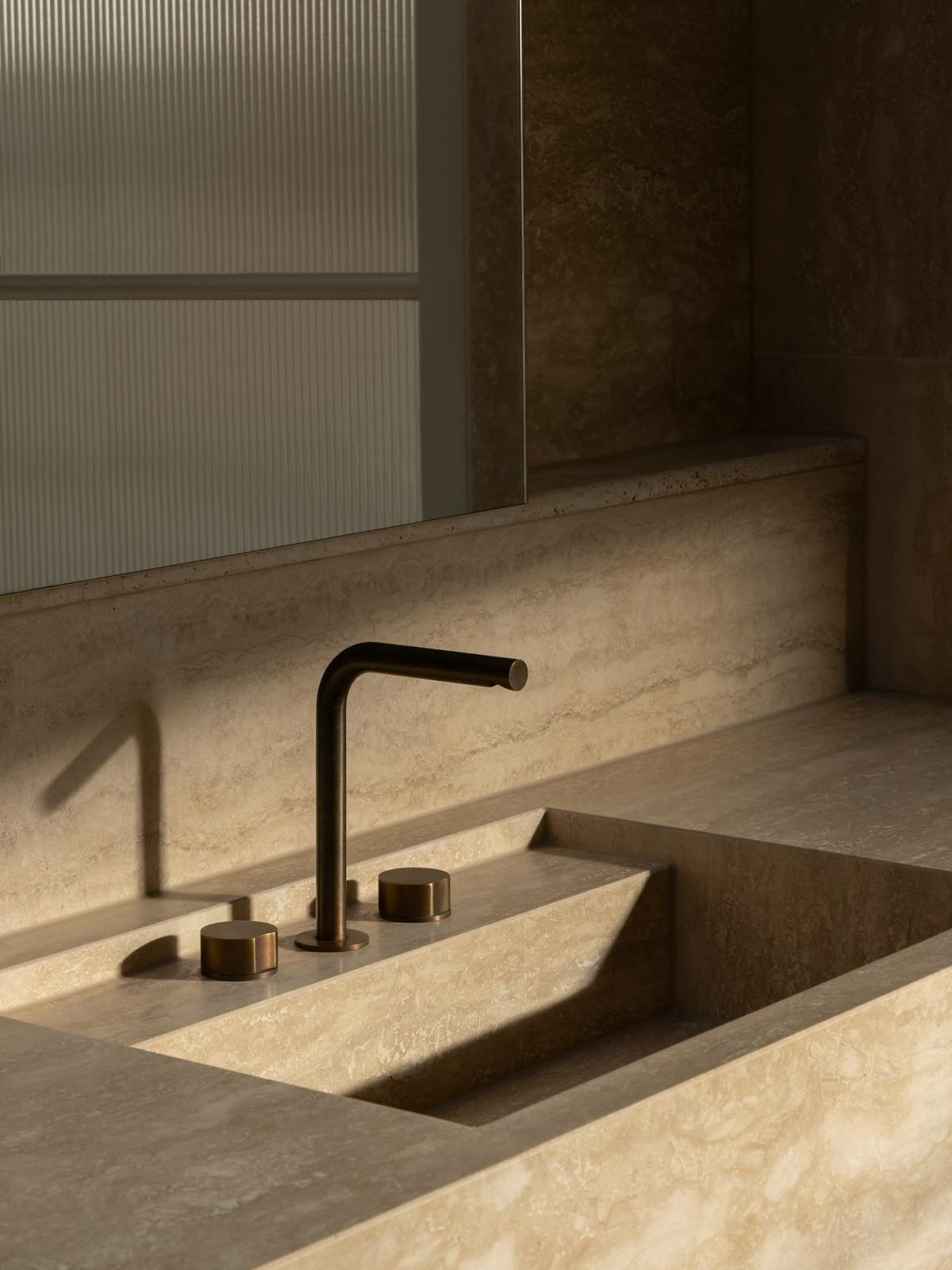
From 1 Hole to 3: The Easy Way to Fit an 8″ Widespread Faucet
Installing an 8-inch widespread faucet often means adding two extra holes to an existing countertop that was originally drilled for a single-hole or 4" center-set faucet. While this can feel intimidating—especially when working with finished surfaces like marble or solid surface materials—it’s completely achievable with the right tools, preparation, and technique.
This guide walks you through how to safely and accurately drill two additional holes in marble, solid surface, or acrylic countertops without cracking, chipping, or costly mistakes.
Before You Start: Key Considerations
Before drilling anything, take a moment to confirm a few essentials:
-
Verify faucet specs: An 8" widespread faucet typically requires three holes, spaced 8 inches center-to-center (left handle to right handle).
-
Check underside clearance: Make sure there’s enough space beneath the countertop for faucet bodies and supply lines.
-
Confirm material type: Marble, solid surface, and acrylic each require slightly different handling and drill bits.
-
Measure twice (or three times): Once drilled, holes can’t be undone.
Tools & Materials You’ll Need
-
Diamond-tipped hole saw (typically 1¼" to 1⅜", depending on faucet)
-
Variable-speed drill (corded preferred for consistent power)
-
Measuring tape or ruler
-
Pencil or wax marker
-
Masking or painter’s tape
-
Drill guide or scrap wood template
-
Spray bottle with water (or sponge)
-
Safety glasses and gloves
-
Towels or plastic to protect cabinets below
Step 1: Measure and Mark Hole Locations
-
Find the center of the existing hole.
-
Measure 4 inches left and 4 inches right from that center point.
-
Mark both locations clearly.
-
Apply masking tape over each mark—this helps prevent bit wandering and surface chipping.
💡 Tip: Double-check alignment by dry-fitting the faucet base or escutcheon before drilling.
Step 2: Secure a Drill Guide
Smooth surfaces make it easy for hole saws to skate. To prevent this:
-
Use a commercial drill guide, or
-
Clamp a piece of scrap wood with a pre-drilled hole over your mark
This keeps the hole saw steady during the crucial first few seconds.
Step 3: Drill the Holes (Material-Specific Tips)
For Marble Countertops
-
Use diamond hole saw only (never carbide or wood bits)
-
Keep the bit wet at all times to avoid overheating
-
Drill at low speed, applying light pressure
-
Let the bit grind—don’t force it
⚠️ Overheating is the #1 cause of cracked marble.
For Solid Surface Countertops (Corian-style)
-
Diamond or carbide hole saws both work
-
Drill at medium speed
-
Minimal water needed, but keep temperatures down
-
Material drills more easily than stone—don’t rush
For Acrylic Countertops
-
Use a fine-tooth hole saw
-
Drill at slow to medium speed
-
Avoid aggressive pressure to prevent melting
-
Pause occasionally to let heat dissipate
Step 4: Break Through Cleanly
As you near the bottom:
-
Reduce pressure
-
Let the bit finish slowly
-
Support the underside if accessible to prevent chipping
Once complete, remove tape and lightly smooth edges if needed.
Step 5: Test Fit the Faucet
Before fully installing:
-
Dry-fit all faucet components
-
Confirm spacing and alignment
-
Make sure handles rotate freely and sit flush
Drilling two additional holes for an 8" widespread faucet is absolutely doable with patience and precision. By using the correct tools, keeping the drill steady, and respecting the material you’re working with, you can achieve clean, professional-looking results—without stress or cracks.